Help is welcome, but is it enough? Budget day in people’s own words
“Improvement on Starmer/Reeves, but not a big one.” (Male, 64, voted Labour in 2024, currently undecided).
On Budget day, Wednesday 28 October 2026, Survation asked 706 adults across the UK for their immediate reactions to John Healey’s Budget, in their own words. The exercise was commissioned by 38 Degrees.
This was a rapid-reaction exercise, not a poll. The percentages below describe the 706 people who took part: they are unweighted and should not be read as estimates for the UK population as a whole.
Rather than asking people to react to a list of measures, we asked eight open questions so that people could tell us what mattered to them. Answers were coded into themes, so a percentage shows how often something was raised, not how many agreed with a statement put to them.
The picture that emerges is of help that was noticed and welcomed, but that few felt went far enough. Only 83 of the 706 (12%) said the Budget gave them what they had wanted from it. 68% said the Government is not moving fast enough on prices, and 18% said nothing announced would help them.
Energy dominated the reaction, and the help was welcomed
Energy bills, the £100 payment or the standing charge came up in the answers of 79% (555 of 706) of participants. More telling, 70% (491) raised them in answers to questions that did not mention energy at all. That unprompted salience is what open questions capture and a list of measures cannot: people brought energy up because it was on their minds, not because we asked.
Energy was the top “one thing” that would make the biggest difference to their household’s money (25%, 180 of 706), and it was where the Budget came closest to delivering. Of the 83 who said the Budget gave them what they wanted, 48 had asked for lower energy bills.
The £100 energy bill support payment was the most named measure that would help their household (39%, 272 of 706), followed by scrapping gas standing charges (20%, 138 of 706), which was particularly valued by those aged 55 and over (26%, against 10% of under-35s).
“100 will help for a few months in cold weather so people don’t have to choose between eating or keeping warm” (Female, 53, voted Conservative in 2024, currently Conservative).
“Scrapping standing charges should help as I am a low energy user” (Male, 62, voted Conservative in 2024, currently Conservative).
A tax on bank profits is popular, but many expect customers to foot the bill
59% (418 of 706) supported the temporary increase in the tax on bank profits to fund energy bill support, with 10% opposing it. In every voting group more people supported it than opposed it, from 76% of Labour voters to 37% of Reform UK voters (against 20% opposed). Those who gave a reason most often said the banks could afford it (12%) or that it was a fair contribution, often recalling the 2008 bailout (10%).
“Yes – we bailed the banks out, it’s time they pay their fair share.” (Female, 53, voted Labour in 2024, currently Labour).
The main reservation was whether the banks would simply pass the cost on to customers, raised by 15% (105 of 706). Others wanted the measure to go further: 5% (38 of 706) suggested the tax should be made permanent and 7% (48 of 706) suggested extending it to other industries, such as energy companies.
“Pretty good idea however not convinced the banks won’t somehow get us to pay the shortfall some way or other” (Female, 42, did not vote in 2024, currently undecided).
For many, the Budget was not enough to change things
68% (483 of 706) said the Government is not moving fast enough, and of those reasons were mainly because help comes too late (16%) or is too small (15%). 27% said the cost-of-living measures were too small to make a difference, and 18% said nothing announced would help them, rising to 27% of Reform UK voters.
The Budget was seen as a step towards fairness, but a small one. 46% (324 of 706) said it moves the country in a fairer direction, 31% said it makes no difference and 9% less fair. The most common qualification was that it doesn’t go far enough for a third of respondents, rising to around half of Green voters.
“It’s too little too late. The tiny savings will make no difference to most families and will disappear into household budgets without being noticed” (Female, 62, voted Green Party in 2024, currently Conservative).
“I think it’s starting to make things a bit fairer but not massively in a systematic way. It seems like little bits around the edges…” (Male, 45, voted Liberal Democrats in 2024, currently Liberal Democrats).
Divided on Burnham and Healey, largely along party lines
The individual measures went down better than the Budget as a whole. 38% were positive about the cost-of-living measures against 28% negative, but 39% (277 of 706) summed up the Budget negatively, 35% (247) positively and 24% gave a mixed view. Younger participants were more positive than older ones: 47% of 18–34s gave a positive verdict, against 27% of those aged 55 and over, 47% of whom were negative.
Views of Burnham and Healey’s leadership were similarly split: 39% (278 of 706) were positive, 35% (244 of 706) negative and 5% said it was too early to judge. Party did most of the work here, with 69% of current Labour voters positive and 66% of Reform UK voters negative.
“I’ll still reserve judgement as it’s early days but it certainly seems promising” (Female, 38, voted Labour in 2024, currently Labour).
“Improvement on Starmer/Reeves, but not a big one.” (Male, 64, voted Labour in 2024, currently undecided).
Welcome, but not yet enough
The Budget’s cost-of-living measures were noticed and welcomed, and the tax on bank profits to fund energy bill support drew support across party lines. Where people were negative or mixed, it was rarely because they opposed what was announced: only 10% opposed the bank tax and 9% said the Budget made the country less fair.
The most common complaints were instead that help comes too late or is too small, and few judged the Budget on any single measure. Even among Labour voters, 69% of whom were positive about Burnham and Healey, around half (48%) said the Government isn’t moving fast enough. For many, the help is welcome, but it doesn’t yet feel like enough to change things.
About this exercise
Survation interviewed 706 people online on Wednesday 28 October 2026, after the Chancellor, John Healey, delivered the Budget, on behalf of 38 Degrees. Participants were recruited from an online panel. We asked open questions to capture immediate reactions in people’s own words; answers were coded thematically.
This was not a poll. Percentages are unweighted, describe only those who took part, and should not be treated as representative of the UK population. Figures for subgroups are based on small numbers of participants and should be treated as indicative; bases are shown in the tables.
Full verbatims are available here.
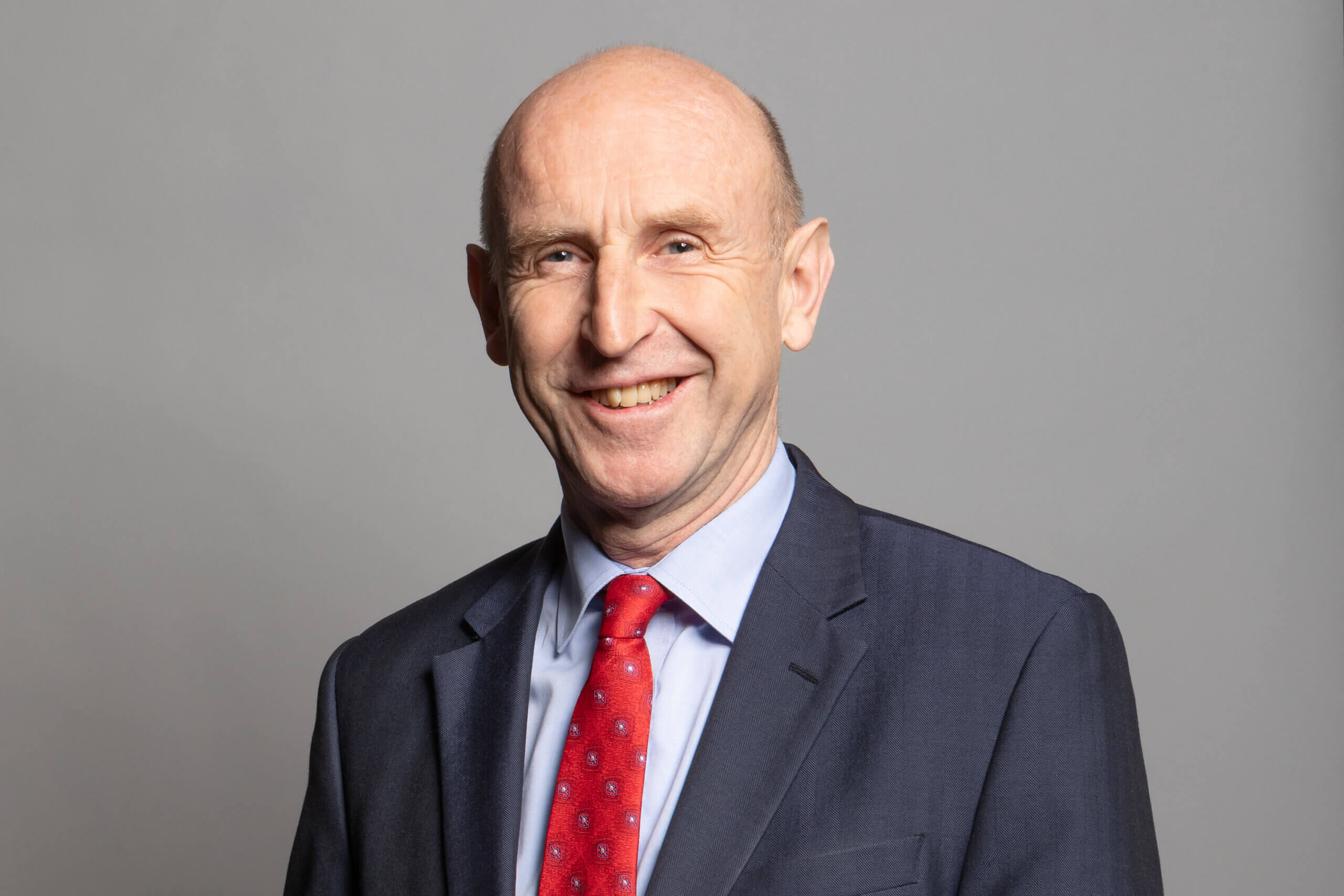
Image: © House of Commons
< Back